 13+ Years in Business
  Licensed & Insured
  1M+ Mattresses Recycled
  (720) 263-6094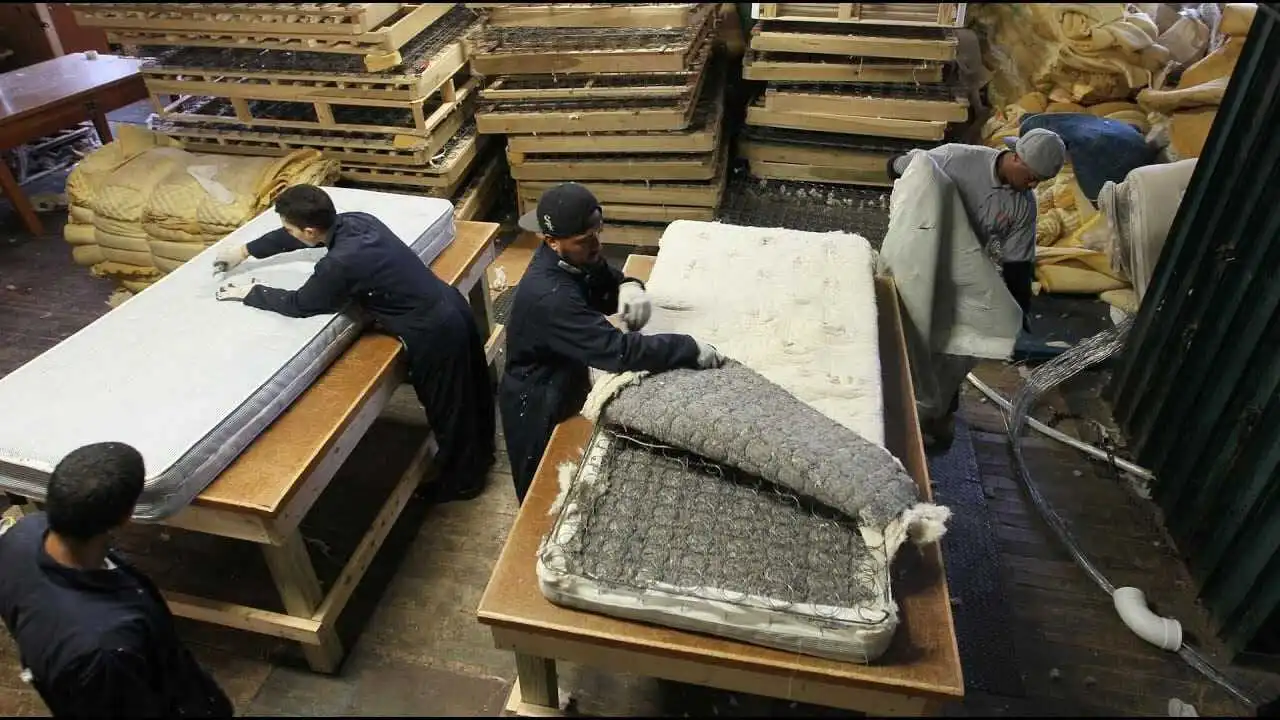
Pickup and Transport
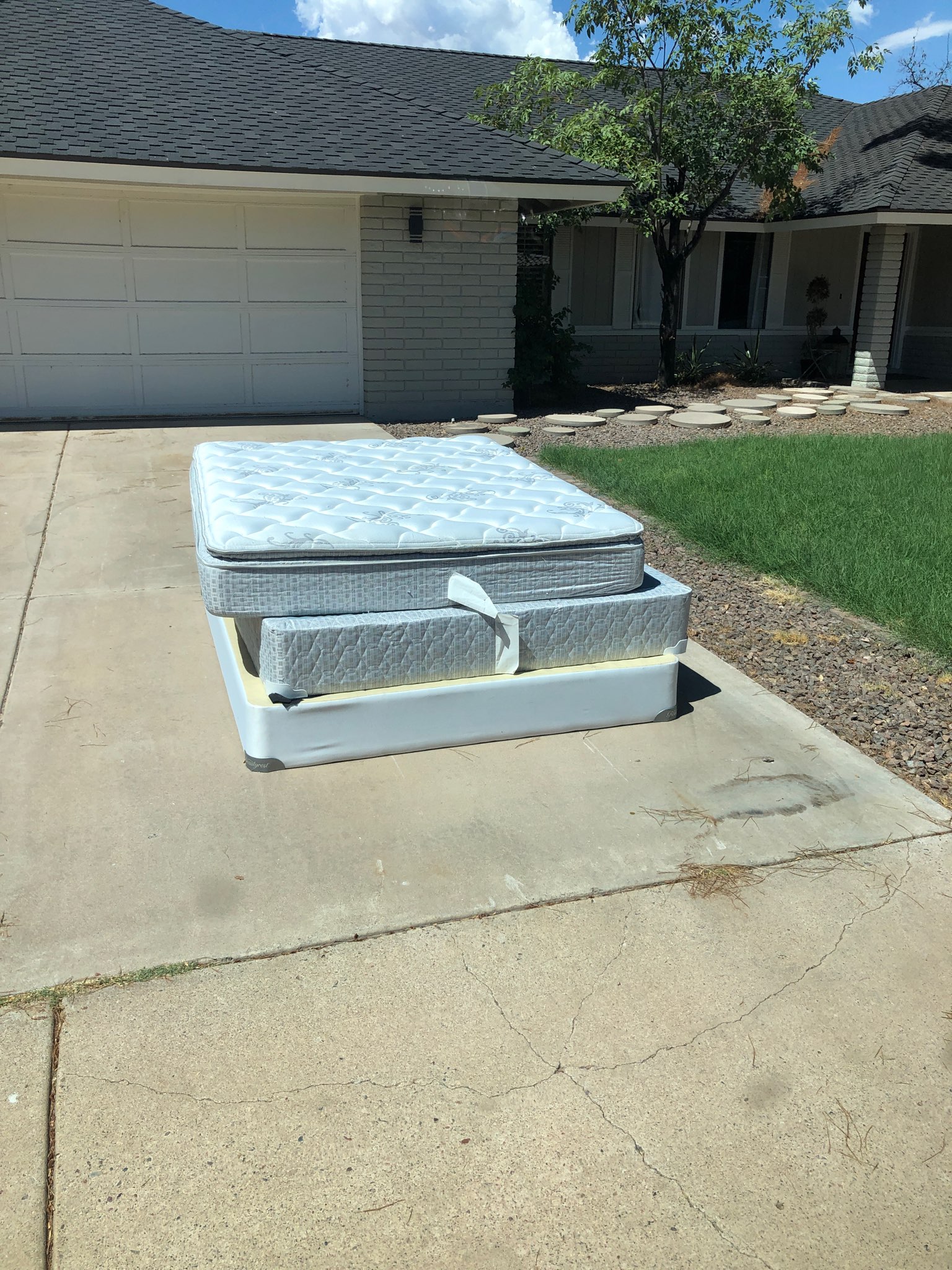
When our team arrives at your home, we carefully remove your mattress and load it into our truck. We handle everything — you don't need to drag it outside or prep it in any way. We'll navigate stairs, tight hallways, whatever your space requires.
From there, your mattress heads to our nearest staging warehouse. We operate facilities across the country to minimize transport distance and get mattresses into the recycling stream quickly.
Sorting and Assessment
At the staging warehouse, every mattress gets evaluated. We're looking at condition, age, and materials to determine the best path forward:
Manual Deconstruction
This is where the real work happens. Mattress recycling isn't automated — it requires skilled hands.
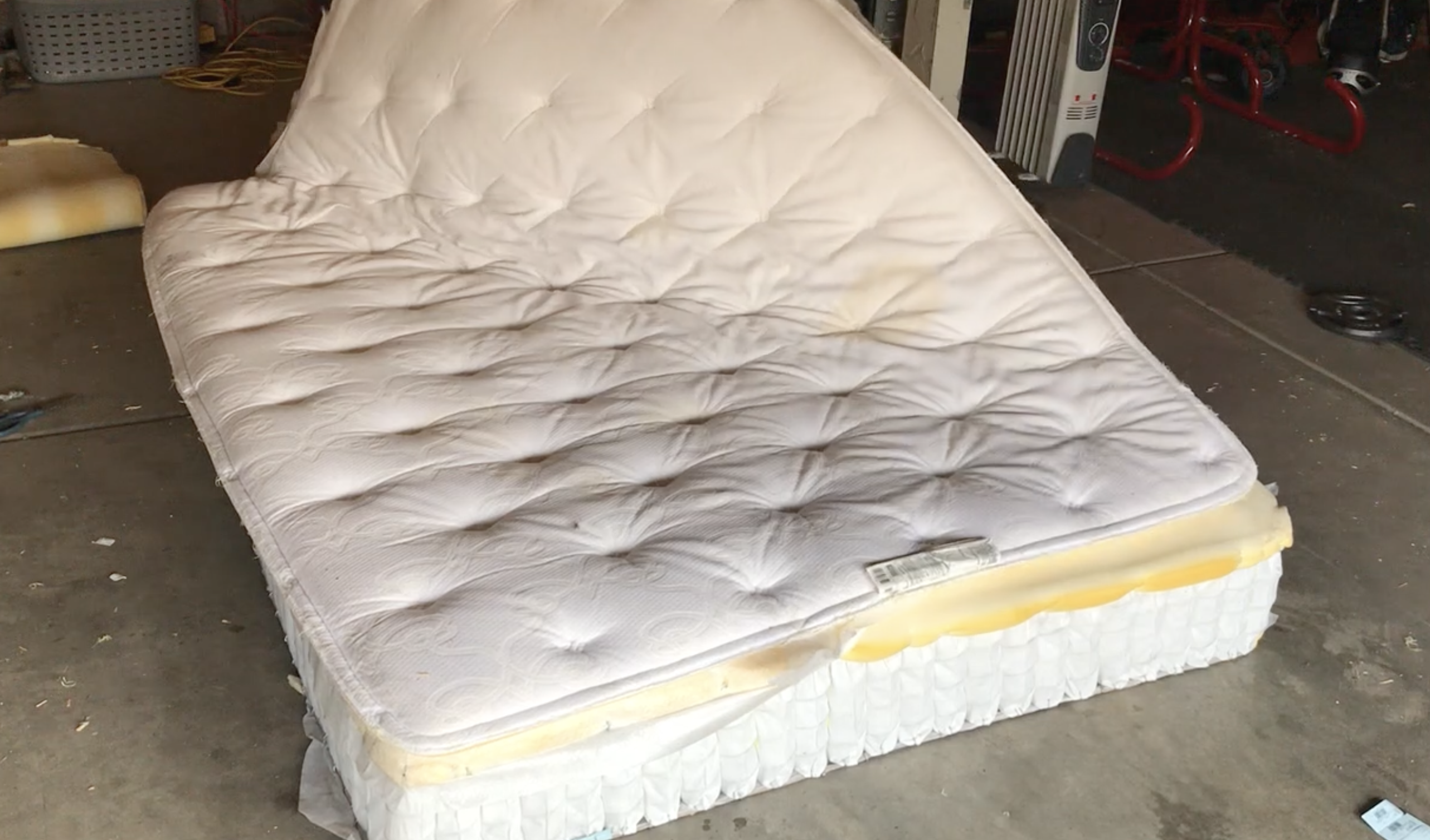
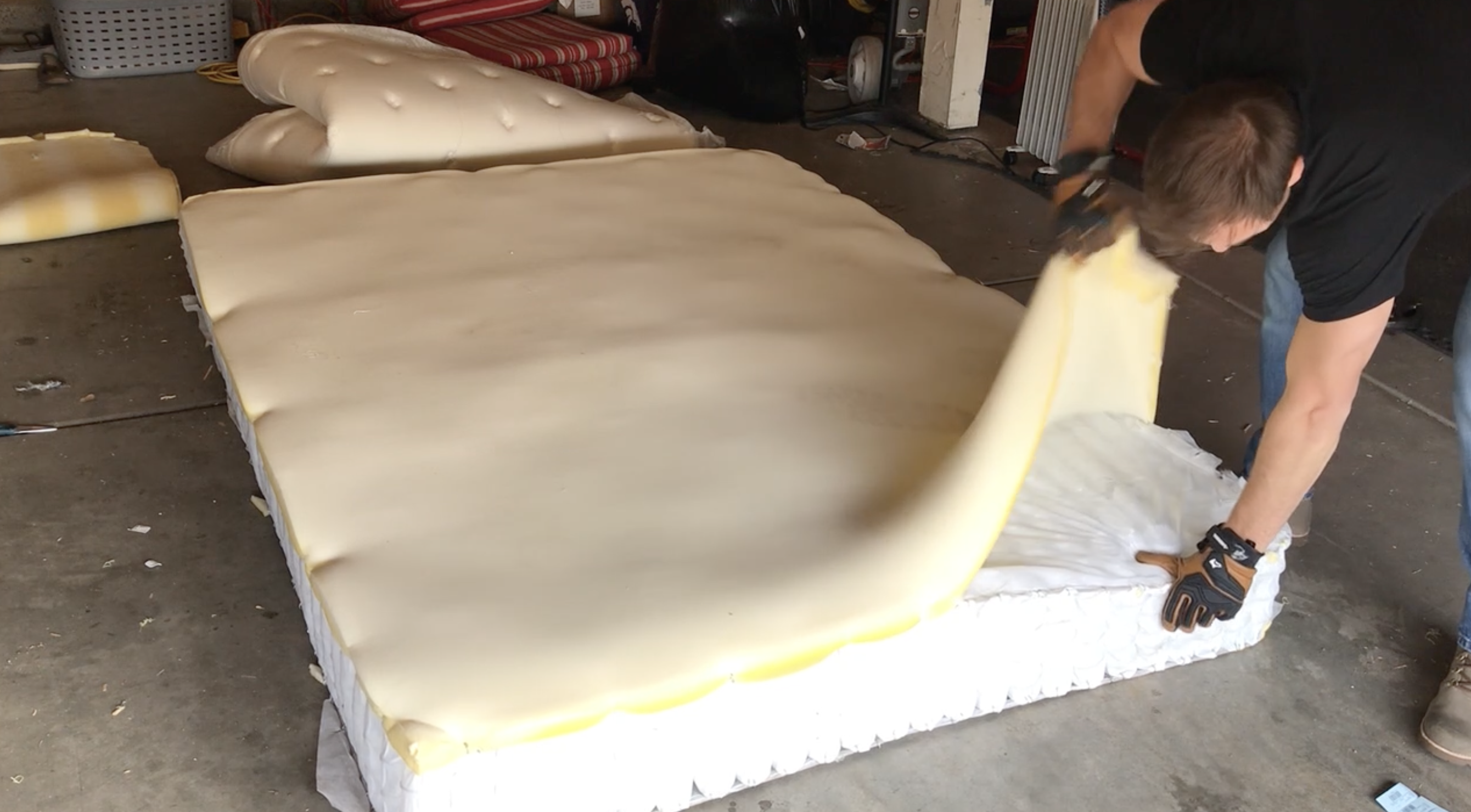
A trained recycler starts by cutting the fabric cover around the edges with a utility knife. Any hogties (the metal clips holding the mattress together) get snipped. Then the cover comes off, revealing the layers inside.
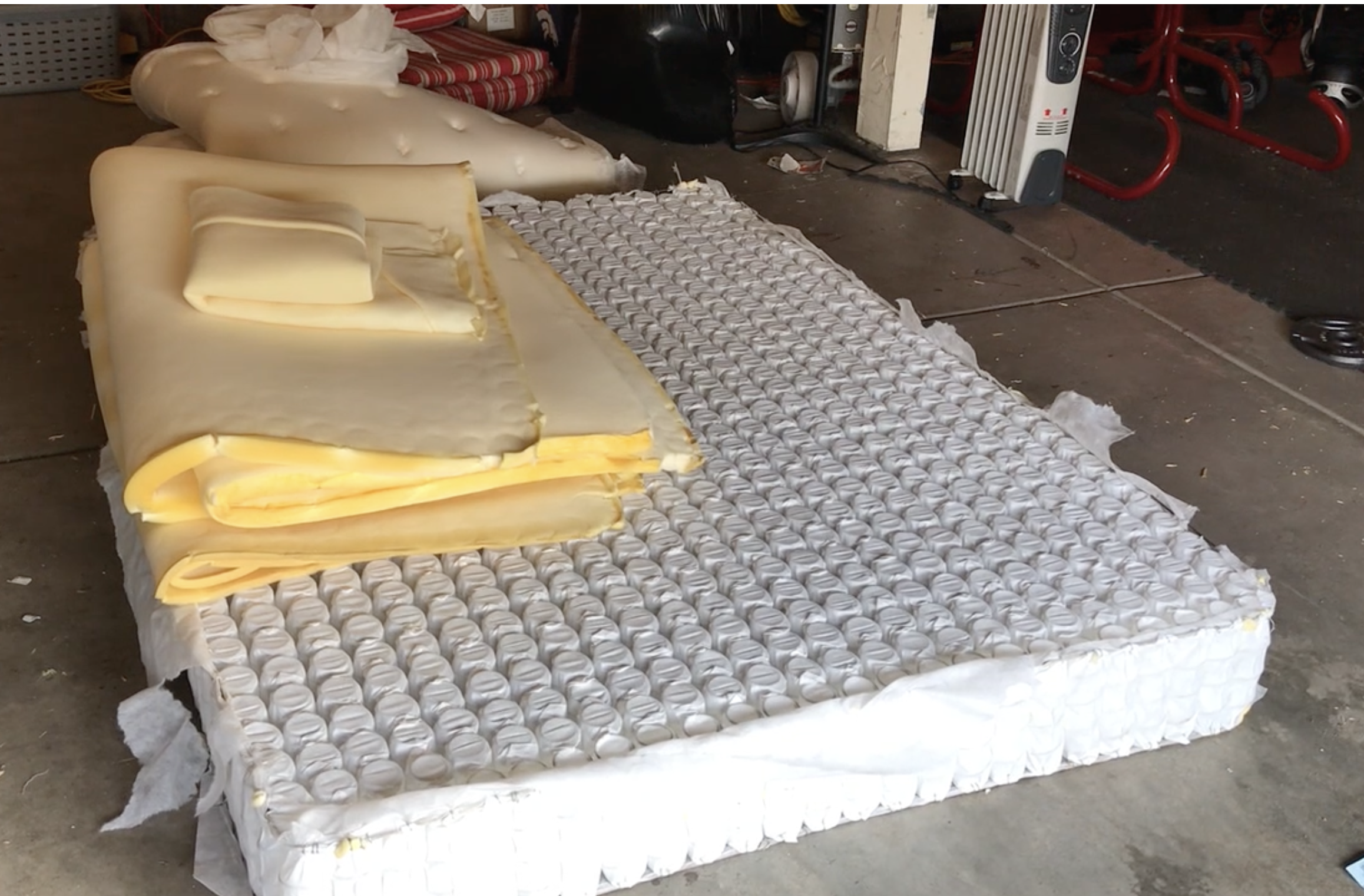
Every mattress is different. Some have three inches of foam. Some have twelve. Some have innersprings, some are all-foam, some have latex layers or gel memory foam. Our team separates each layer by hand, sorting materials into their proper streams.
Material Separation
Once deconstructed, materials get sorted into dedicated piles:
Foam
Gets stacked and prepared for baling. This is usually the bulkiest material — a single mattress can contain 20+ pounds of foam.
Metal Springs
Are separated and stacked. The steel in mattress coils is valuable and infinitely recyclable.
Wood
From box springs gets broken down and stacked separately.
Fabric Backing
From box springs is set aside — this material works perfectly as agricultural weed barrier.
The outer fabric cover is typically the only portion that can't be recycled. Everything else has value.
Baling and Transport
Once sorted, materials get compressed into dense bales for efficient transport to processors.
Foam bales head to carpet padding manufacturers, where the foam gets shredded and reformed into padding for new carpet installations. Specialty foams like latex sometimes go to manufacturers making dog beds, gymnastics pit foam, or other specialty products.
Metal bales go to scrap processors where the steel gets melted down and re-enters the supply chain as raw material for new products.
Clean wood becomes wood chips for landscaping or biomass fuel.